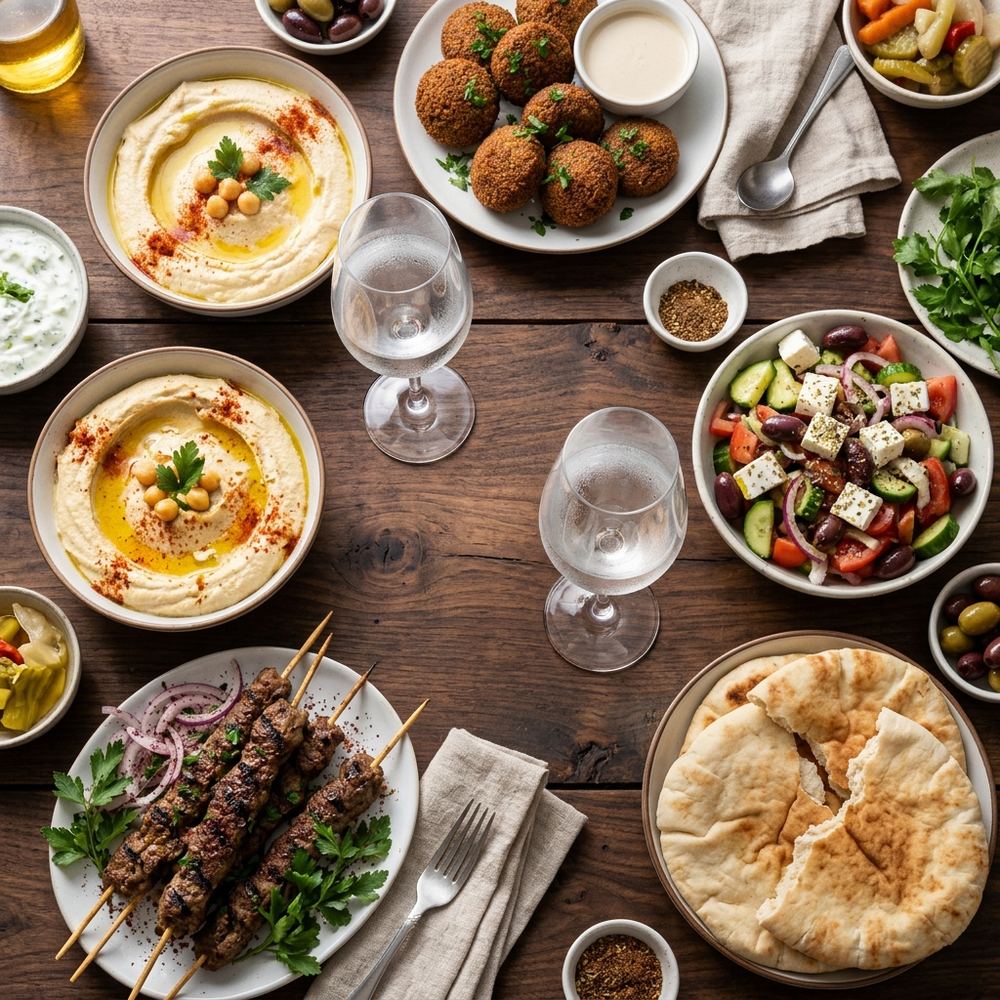
Sake pairing guide · 5 dishes
Best sake for Mediterranean and Middle Eastern food
Yamahai / Kimoto Namazake Junmai
Herbs, lemon, yogurt, olive oil and grilled lamb. Fresh, zesty Namazake handles herbs and citrus, while Yamahai brings enough body and acidity for lamb, eggplant and béchamel.
The styles that work best
Yamahai / Kimoto
Say it: yah-mah-HIGH / kee-MOH-toh
Traditional methods bring higher acidity and gamey umami. Loves rich food.
Think: a rich Chardonnay or a light red.
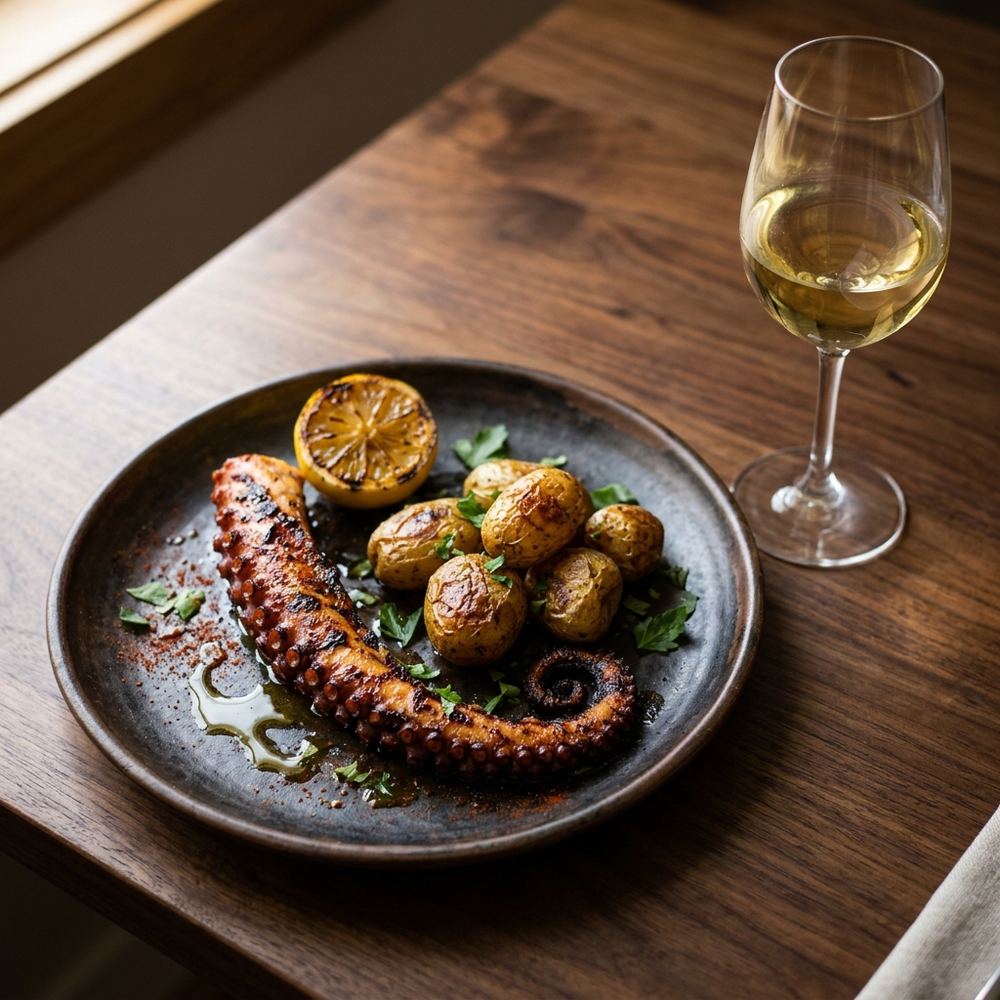
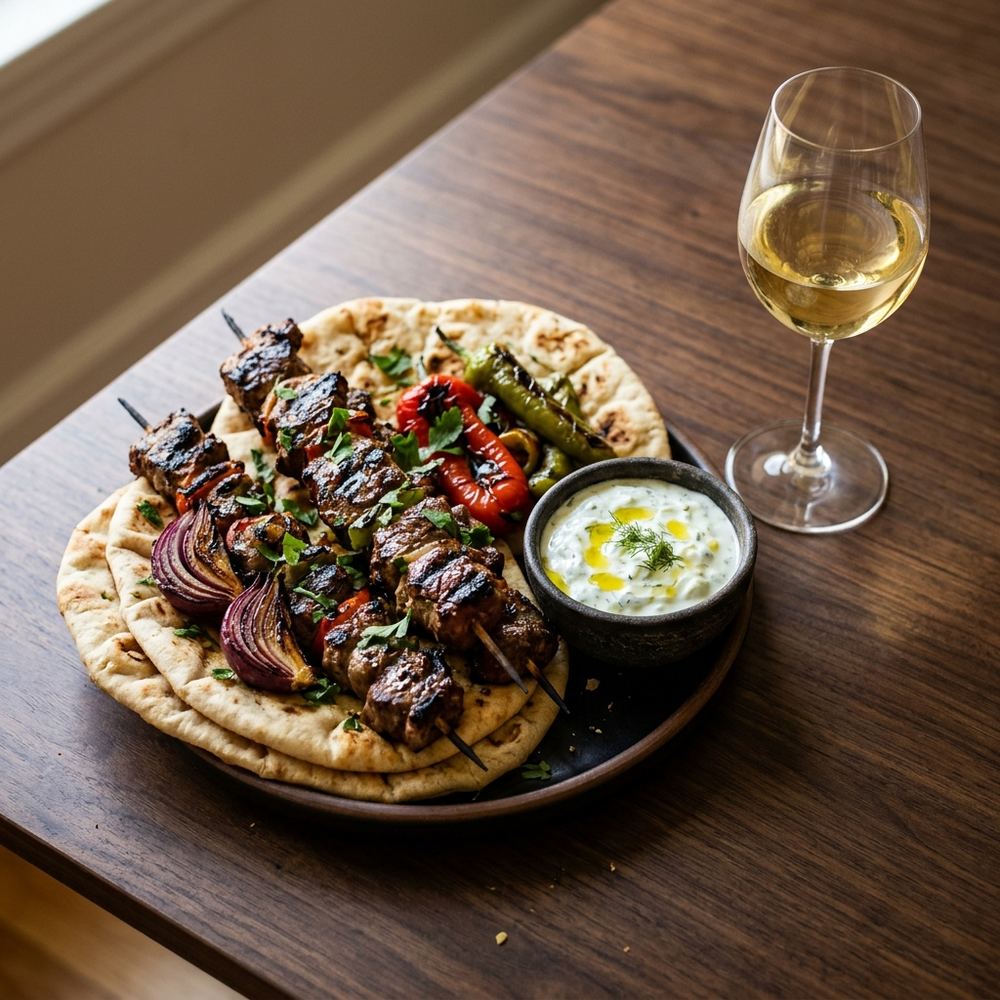
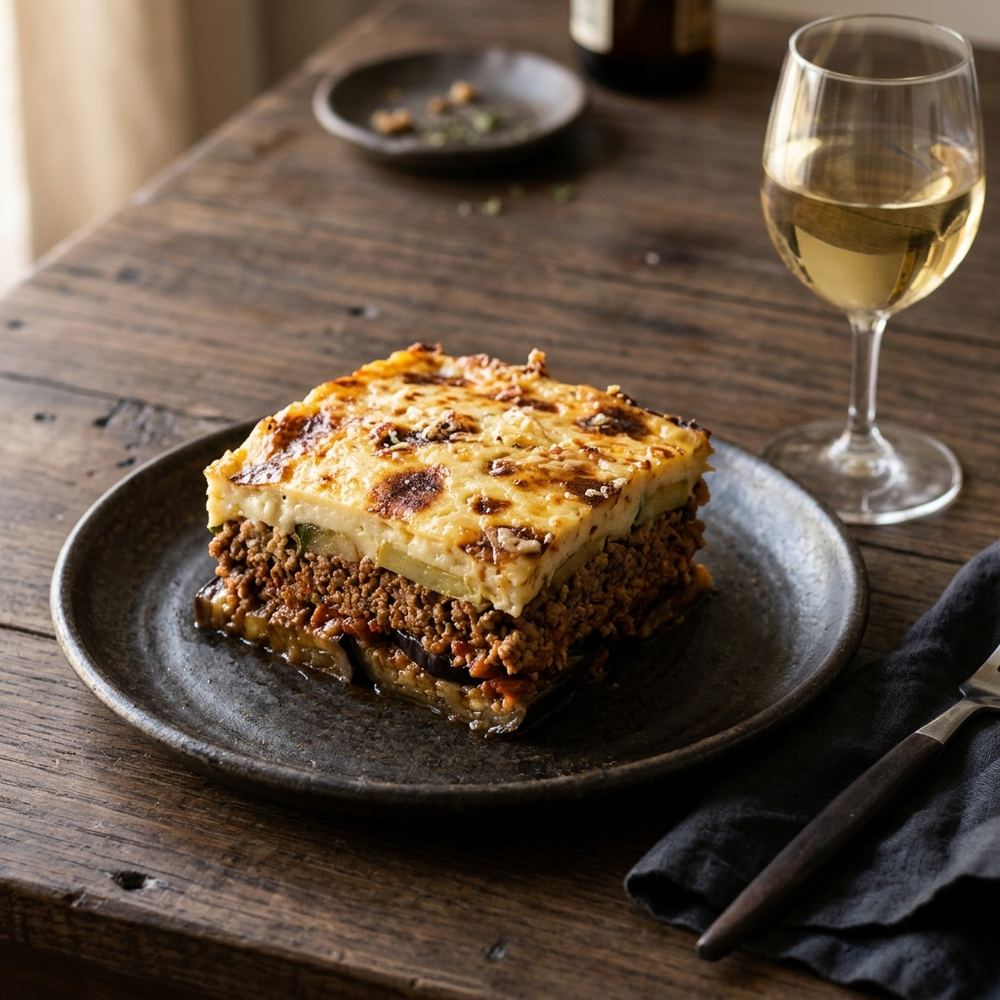
Try it with: Grilled Octopus, Lamb Kebab, Moussaka
Namazake
Say it: NAH-mah-zah-keh
Unpasteurized, fresh and zippy. Keep refrigerated, serve cold.
Think: a zesty Vinho Verde.
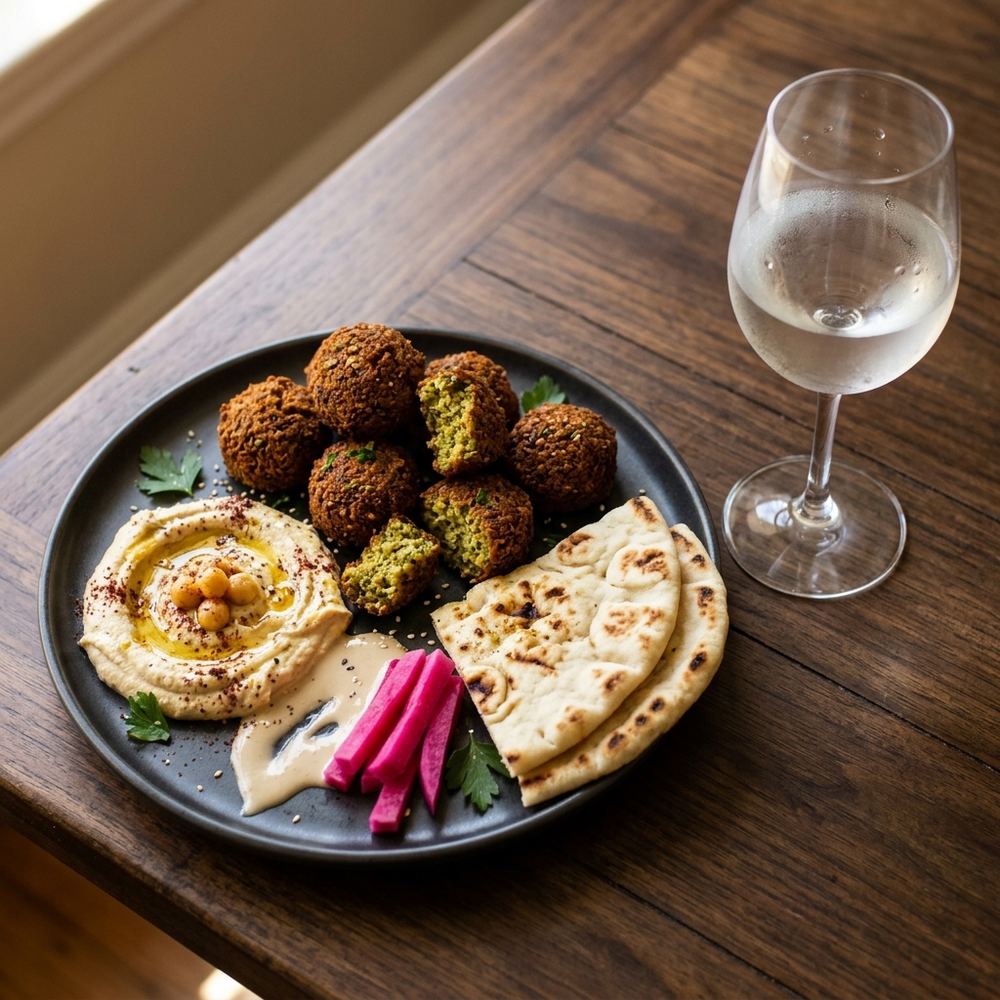
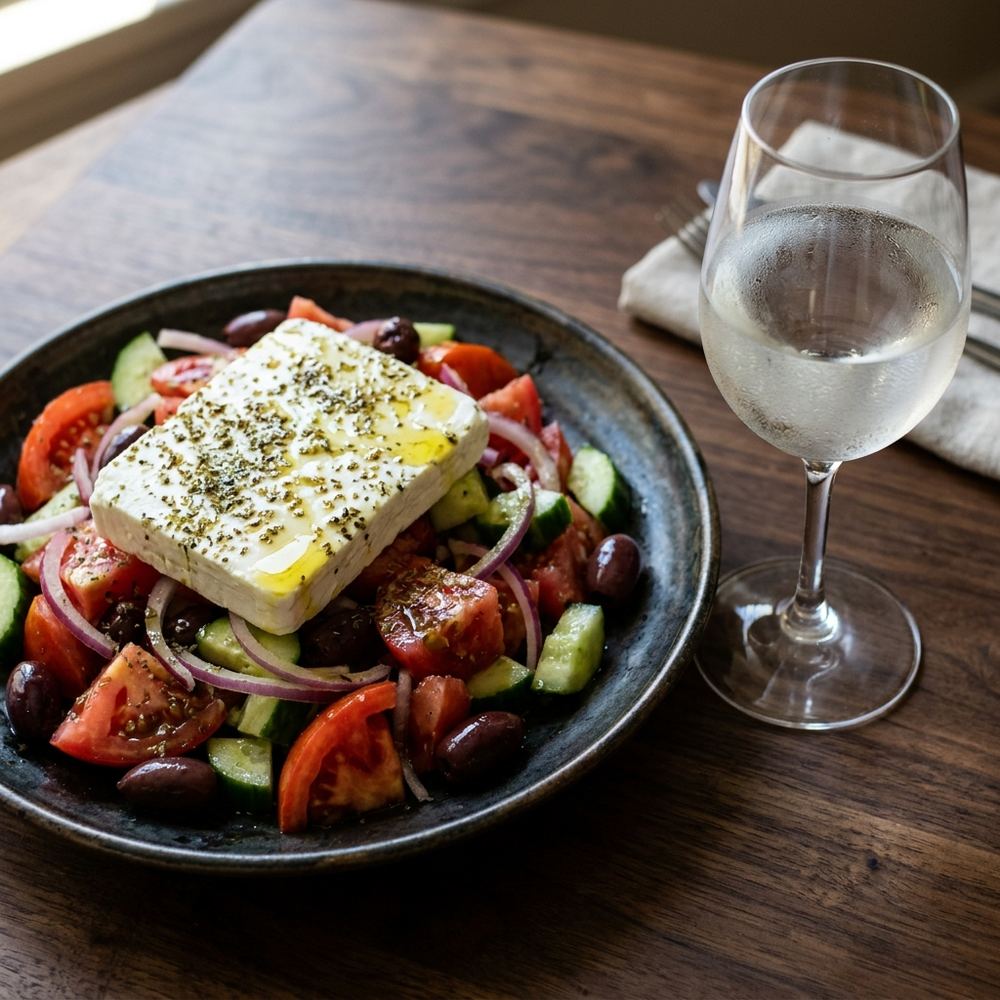
Try it with: Grilled Octopus, Falafel & Hummus, Greek Salad
Junmai
Say it: JOON-my
Pure rice sake, no added alcohol. Round, savory, umami-rich. Shines warm.
Think: a medium-bodied white with savory depth.
Try it with: Lamb Kebab, Falafel & Hummus, Moussaka
Mediterranean & Middle Eastern pairings
Questions
What sake goes with Mediterranean and Middle Eastern food?
Yamahai / Kimoto, Namazake, Junmai are the most versatile. Herbs, lemon, yogurt, olive oil and grilled lamb. Fresh, zesty Namazake handles herbs and citrus, while Yamahai brings enough body and acidity for lamb, eggplant and béchamel.
Should sake be served warm or cold with Mediterranean and Middle Eastern food?
Mostly chilled (41–59°F). A few richer dishes suit Junmai or Yamahai at room temperature or gently warmed.
Which Mediterranean dishes are easiest to pair with sake?
Grilled Octopus (Yamahai / Kimoto), Lamb Kebab (Yamahai / Kimoto), Falafel & Hummus (Namazake), Greek Salad (Namazake).