Dessert · Sake pairing
Best sake for Chocolate-Covered Strawberries
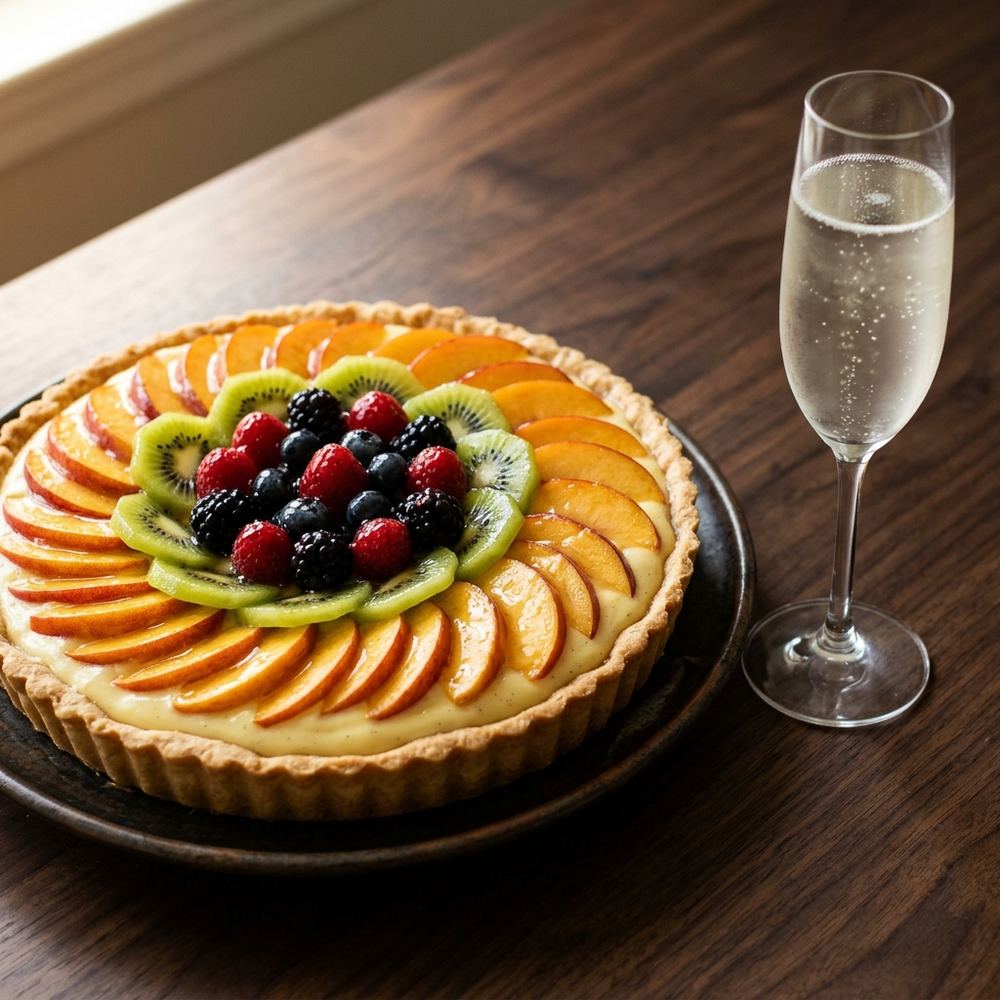
Sparkling Sake, chilled.
Bright bubbles and fruit notes lift fresh berries and chocolate.
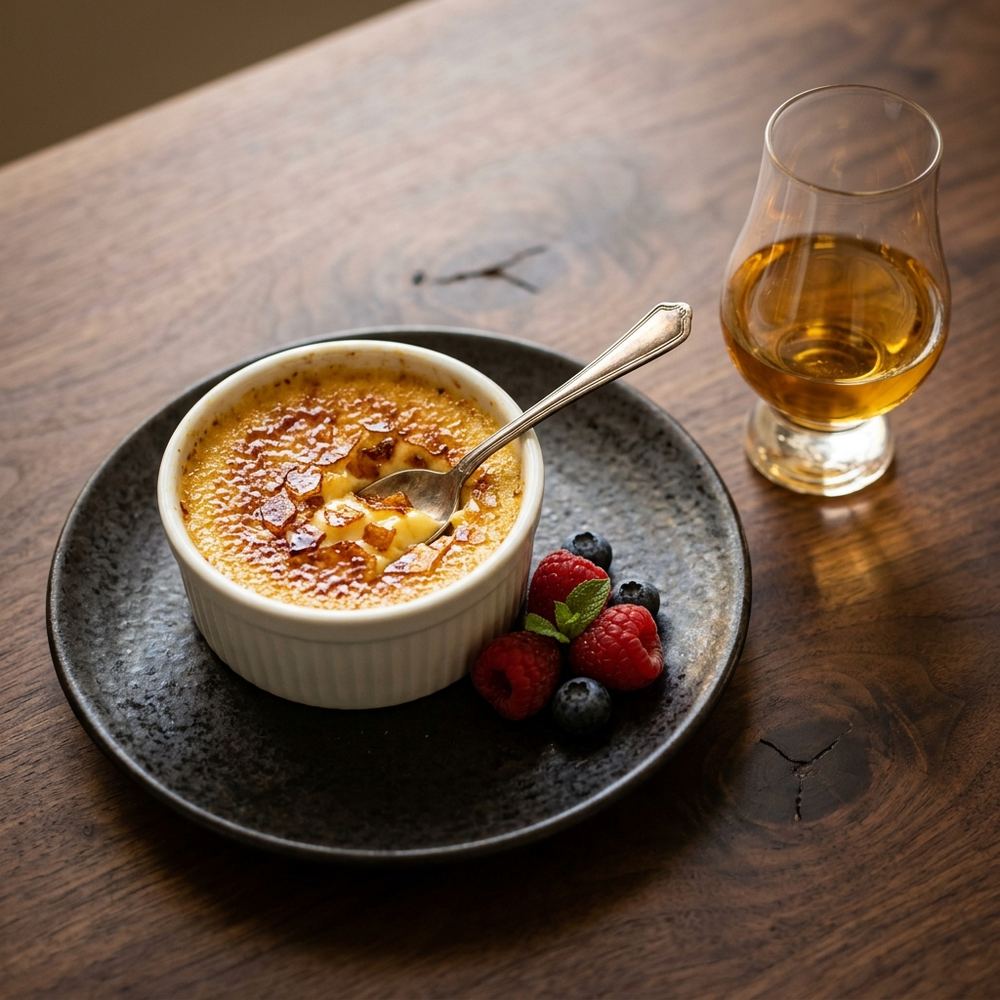
Also great: Kijoshu (Dessert Sake) (lightly cool). Honeyed sweetness matches the chocolate shell.
Why these sakes work
Sparkling Sake
Bright bubbles and fruit notes lift fresh berries and chocolate.
Think: Prosecco or Cava. Fine bubbles, bright acidity, often lower alcohol. Cuts through fried food.
Kijoshu (Dessert Sake)
Honeyed sweetness matches the chocolate shell.
Think: Sauternes. Brewed with sake in place of water: rich, sweet, honeyed.
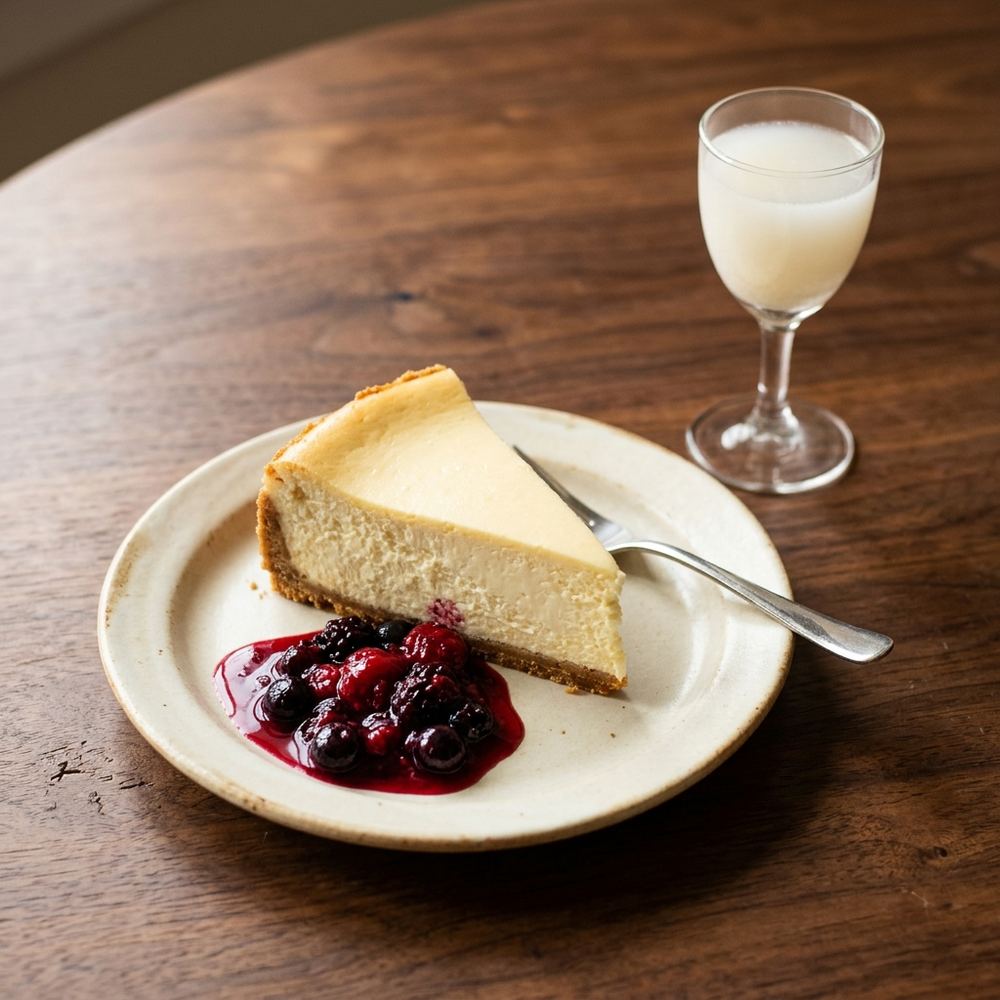
The principle: A dessert sake should be at least as sweet as the dessert. Aged Koshu brings caramel and nuts for chocolate and pecan pie, honeyed Kijoshu suits custards, and creamy Nigori or sparkling sake fit fruit and cheesecake. How we pair →
How to serve
- Sparkling Sake: Chilled · 41–50°F, in a flute.
- Kijoshu (Dessert Sake): Lightly cool · 50–59°F, in a small tulip glass.
- How much: a 2–3 oz pour per person is plenty alongside the dish. A 720 ml bottle gives about 10 pours.
Questions
What sake goes with Chocolate-Covered Strawberries?
Sparkling Sake is the top pick: bright bubbles and fruit notes lift fresh berries and chocolate. Kijoshu (Dessert Sake) is a great alternative: honeyed sweetness matches the chocolate shell.
Should sake be served warm or cold with Chocolate-Covered Strawberries?
Serve Sparkling Sake chilled (41–50°F) and Kijoshu (Dessert Sake) lightly cool (50–59°F).
What wine is Sparkling Sake like?
It drinks like Prosecco or Cava. Fine bubbles, bright acidity, often lower alcohol. Cuts through fried food.
More Dessert pairings