Dessert · Sake pairing
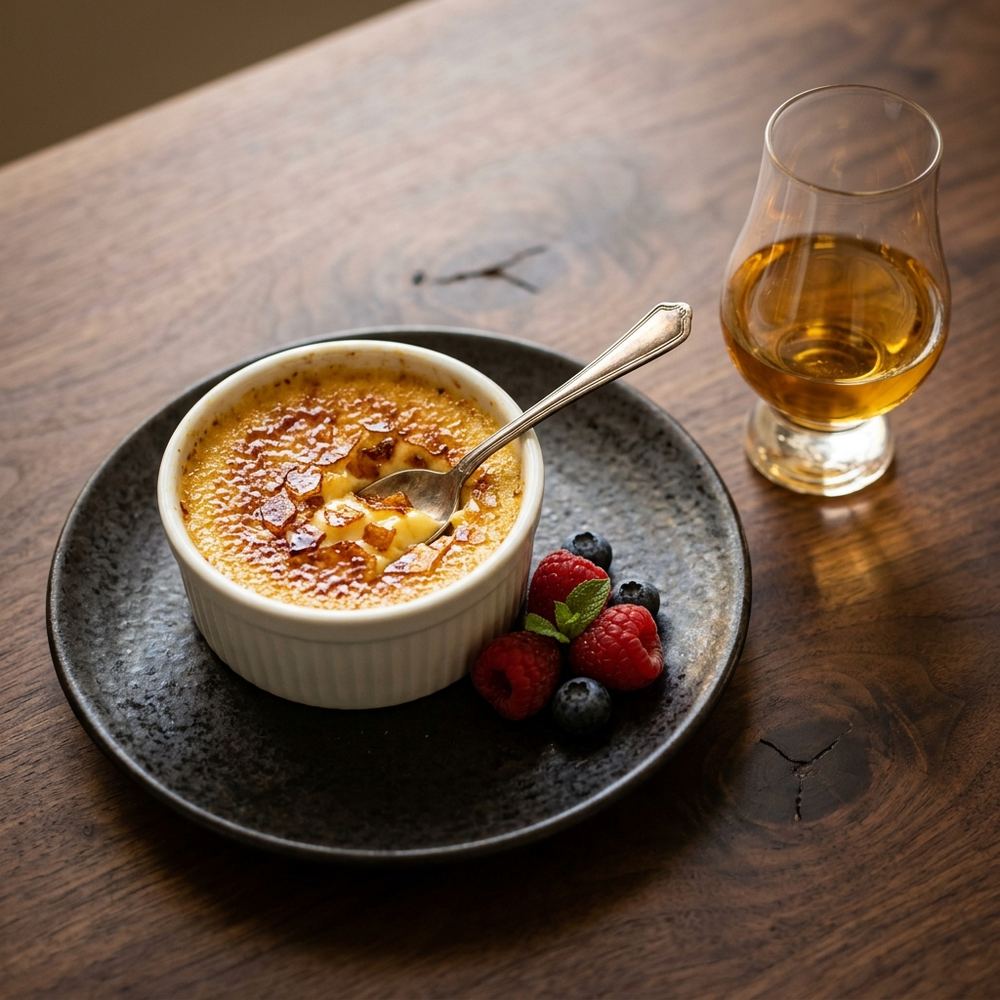
Best sake for Crème Brûlée
Kijoshu (Dessert Sake), lightly cool.
Honeyed richness meets vanilla custard.
Also great: Koshu (Aged Sake) (room temp). Caramel notes echo the burnt-sugar crust.
Why these sakes work
Kijoshu (Dessert Sake)
Honeyed richness meets vanilla custard.
Think: Sauternes. Brewed with sake in place of water: rich, sweet, honeyed.
Koshu (Aged Sake)
Caramel notes echo the burnt-sugar crust.
Think: Amontillado sherry or tawny port. Aged for years: amber, nutty, caramel, soy notes. Stands up to bold flavors.
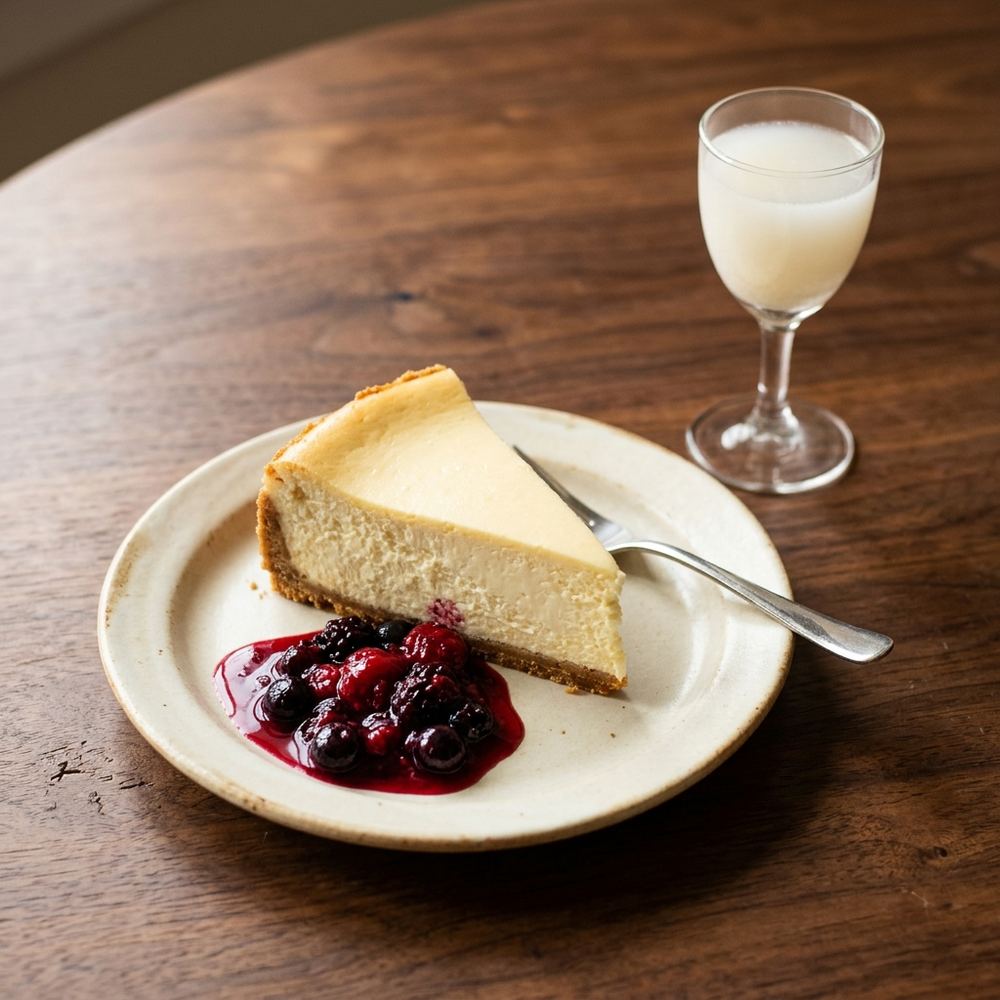
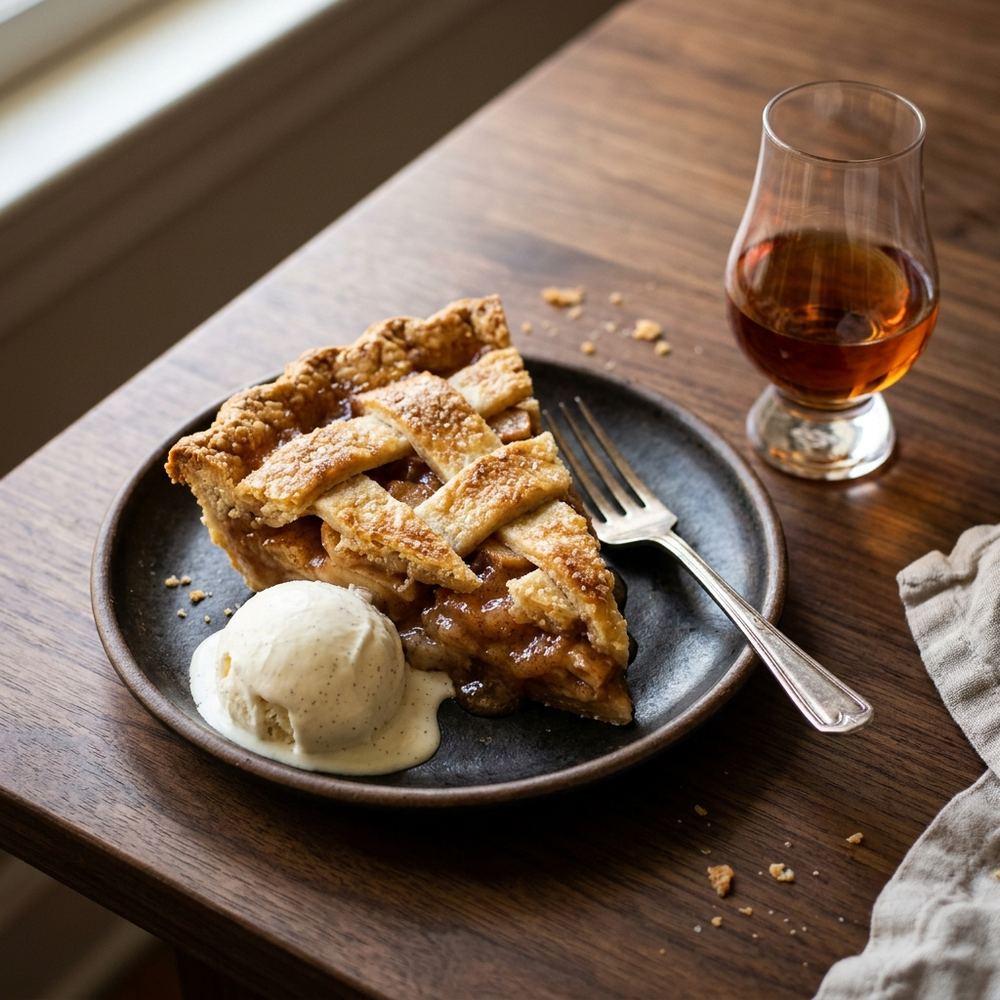
The principle: A dessert sake should be at least as sweet as the dessert. Aged Koshu brings caramel and nuts for chocolate and pecan pie, honeyed Kijoshu suits custards, and creamy Nigori or sparkling sake fit fruit and cheesecake. How we pair →
How to serve
- Kijoshu (Dessert Sake): Lightly cool · 50–59°F, in a small tulip glass.
- Koshu (Aged Sake): Room temp · 59–68°F, in a small tulip glass.
- How much: a 2–3 oz pour per person is plenty alongside the dish. A 720 ml bottle gives about 10 pours.
Questions
What sake goes with Crème Brûlée?
Kijoshu (Dessert Sake) is the top pick: honeyed richness meets vanilla custard. Koshu (Aged Sake) is a great alternative: caramel notes echo the burnt-sugar crust.
Should sake be served warm or cold with Crème Brûlée?
Serve Kijoshu (Dessert Sake) lightly cool (50–59°F) and Koshu (Aged Sake) room temp (59–68°F).
What wine is Kijoshu (Dessert Sake) like?
It drinks like Sauternes. Brewed with sake in place of water: rich, sweet, honeyed.