American · Sake pairing
Best sake for Black-Eyed Peas & Collard Greens
Junmai, warm.
Earthy umami suits smoky greens and savory peas.
Also great: Yamahai / Kimoto (room temp). Gamey depth handles ham hock and a dash of hot sauce.
Why these sakes work
Junmai
Earthy umami suits smoky greens and savory peas.
Think: a medium-bodied white with savory depth. Pure rice sake, no added alcohol. Round, savory, umami-rich. Shines warm.
Yamahai / Kimoto
Gamey depth handles ham hock and a dash of hot sauce.
Think: a rich Chardonnay or a light red. Traditional methods bring higher acidity and gamey umami. Loves rich food.
The principle: American menus run rich: char, smoke, melted cheese and fried crunch. Sakes with more acidity and umami, like Yamahai, Kimoto and Junmai, cut through fat the way a red wine would, while sparkling sake and dry Honjozo play the ice-cold-beer role with fried food and wings. How we pair →
How to serve
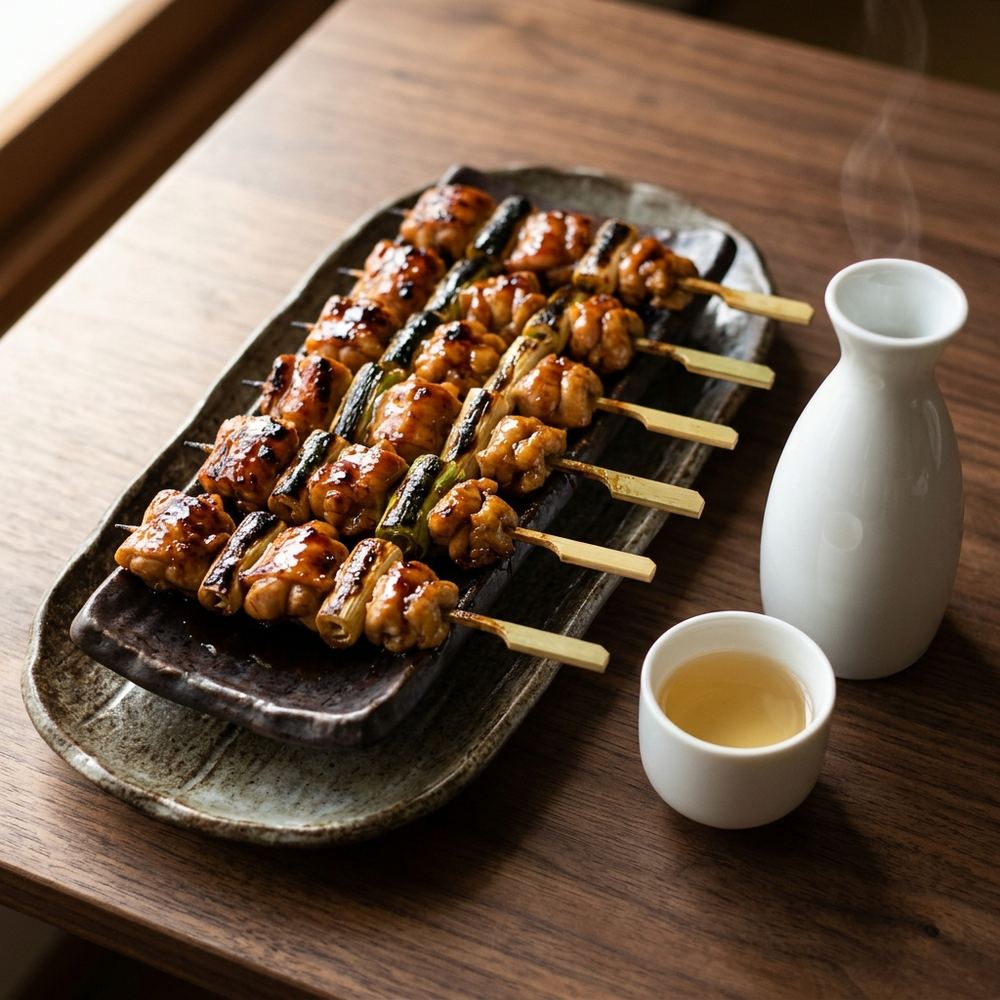
- Junmai: Warm · ~104°F, in a small cup (ochoko).
- Yamahai / Kimoto: Room temp · 59–68°F, in a small cup (ochoko).
- How much: a 2–3 oz pour per person is plenty alongside the dish. A 720 ml bottle gives about 10 pours.
- Warming sake: stand the flask in hot (not boiling) water for 2–3 minutes until it feels warm to the touch, about 104°F.
Questions
What sake goes with Black-Eyed Peas & Collard Greens?
Junmai is the top pick: earthy umami suits smoky greens and savory peas. Yamahai / Kimoto is a great alternative: gamey depth handles ham hock and a dash of hot sauce.
Should sake be served warm or cold with Black-Eyed Peas & Collard Greens?
Serve Junmai warm (~104°F) and Yamahai / Kimoto room temp (59–68°F).
What wine is Junmai like?
It drinks like a medium-bodied white with savory depth. Pure rice sake, no added alcohol. Round, savory, umami-rich. Shines warm.
More American pairings