British · Sake pairing
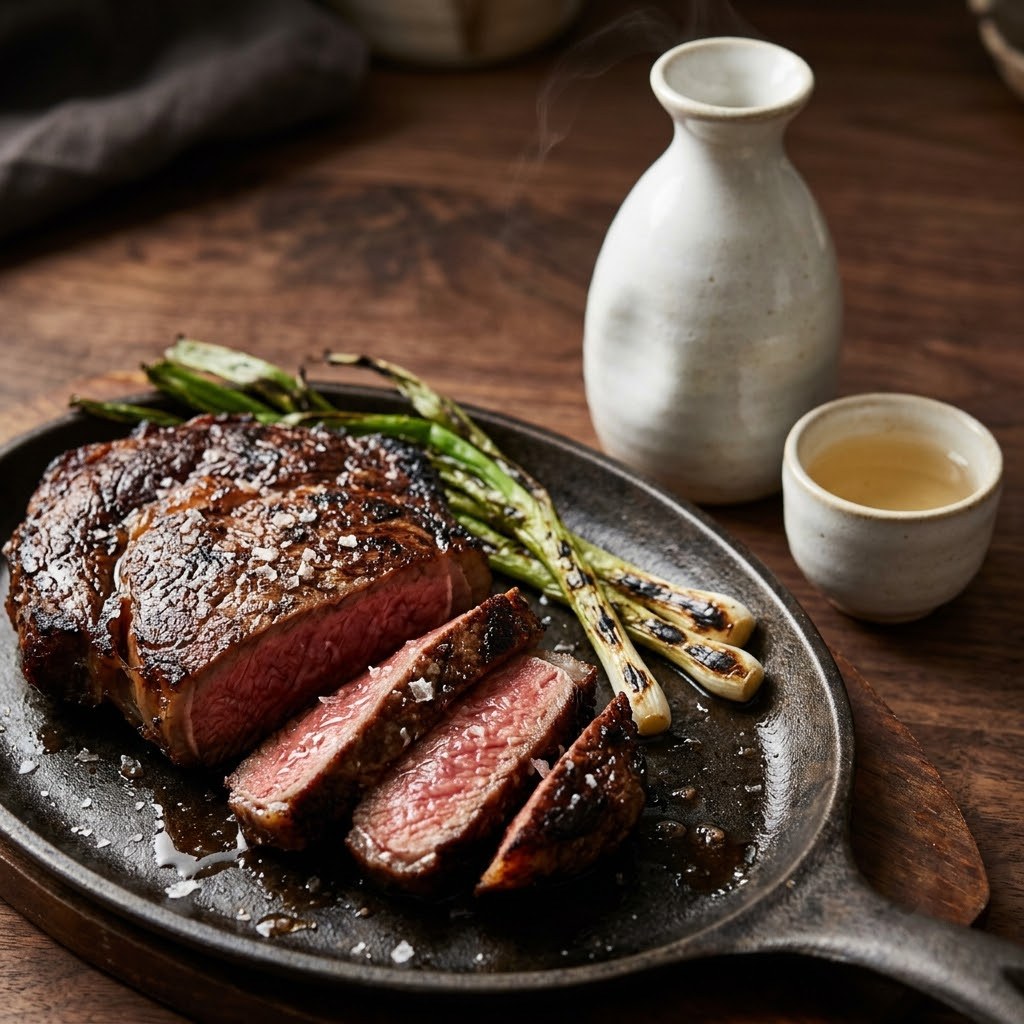
Best sake for Beef Wellington
Yamahai / Kimoto, room temp.
Earthy, savory notes match the mushroom duxelles and buttery pastry.
Also great: Koshu (Aged Sake) (room temp). Aged, nutty depth stands up to tenderloin and rich pastry.
Why these sakes work
Yamahai / Kimoto
Earthy, savory notes match the mushroom duxelles and buttery pastry.
Think: a rich Chardonnay or a light red. Traditional methods bring higher acidity and gamey umami. Loves rich food.
Koshu (Aged Sake)
Aged, nutty depth stands up to tenderloin and rich pastry.
Think: Amontillado sherry or tawny port. Aged for years: amber, nutty, caramel, soy notes. Stands up to bold flavors.
The principle: American menus run rich: char, smoke, melted cheese and fried crunch. Sakes with more acidity and umami, like Yamahai, Kimoto and Junmai, cut through fat the way a red wine would, while sparkling sake and dry Honjozo play the ice-cold-beer role with fried food and wings. How we pair →
How to serve
- Yamahai / Kimoto: Room temp · 59–68°F, in a small cup (ochoko).
- Koshu (Aged Sake): Room temp · 59–68°F, in a small tulip glass.
- How much: a 2–3 oz pour per person is plenty alongside the dish. A 720 ml bottle gives about 10 pours.
Questions
What sake goes with Beef Wellington?
Yamahai / Kimoto is the top pick: earthy, savory notes match the mushroom duxelles and buttery pastry. Koshu (Aged Sake) is a great alternative: aged, nutty depth stands up to tenderloin and rich pastry.
Should sake be served warm or cold with Beef Wellington?
Serve Yamahai / Kimoto room temp (59–68°F) and Koshu (Aged Sake) room temp (59–68°F).
What wine is Yamahai / Kimoto like?
It drinks like a rich Chardonnay or a light red. Traditional methods bring higher acidity and gamey umami. Loves rich food.
More American pairings