April 21–29, 2027 · Holiday sake guide
Sake for Passover seder
A seder meal is built around matzo ball soup, braised brisket or roast chicken. Warm, savory Junmai matches the broth and the braise.
Our pick: Junmai
Gently warmed, it mirrors chicken broth and slow-braised beef.
The Passover seder menu, paired
| Dish | Top pick | Serve | Also great |
|---|---|---|---|
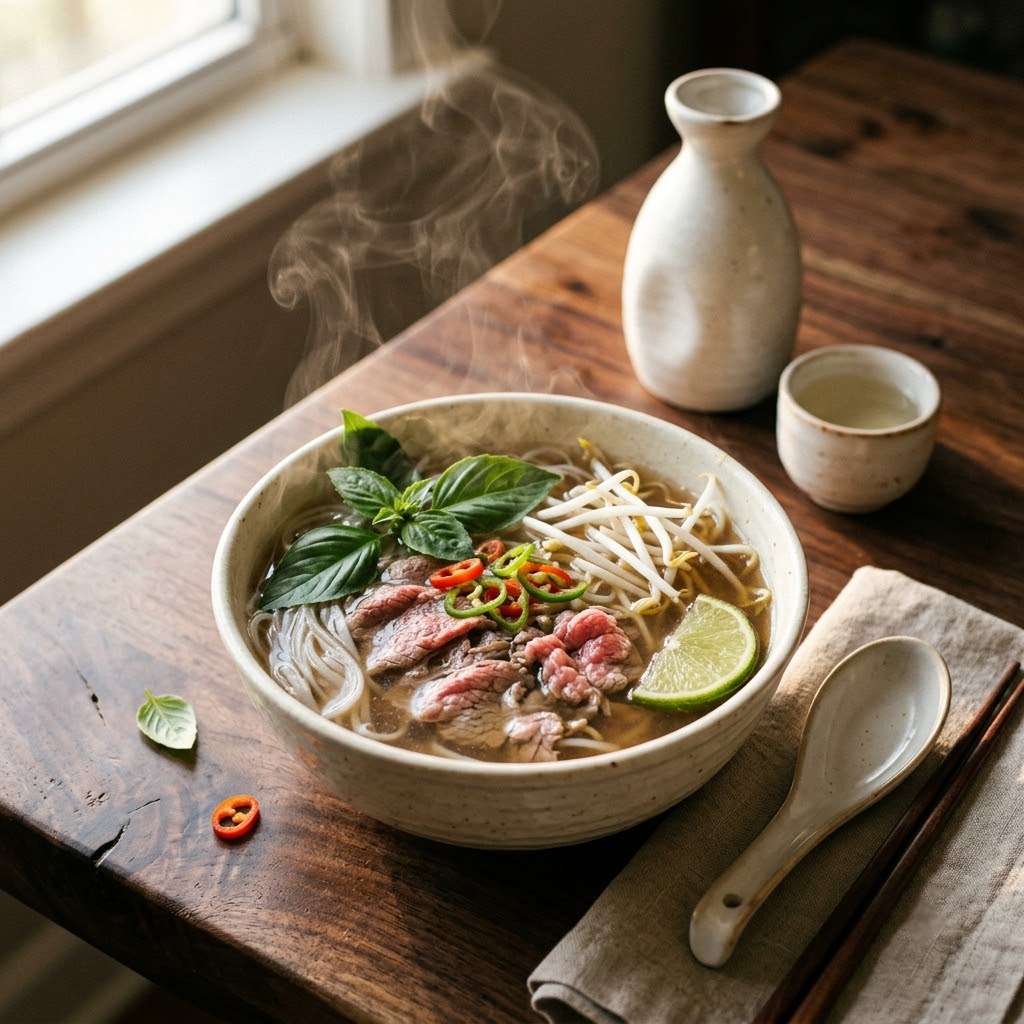
| Matzo Ball Soup | Junmai | warm | Honjozo |
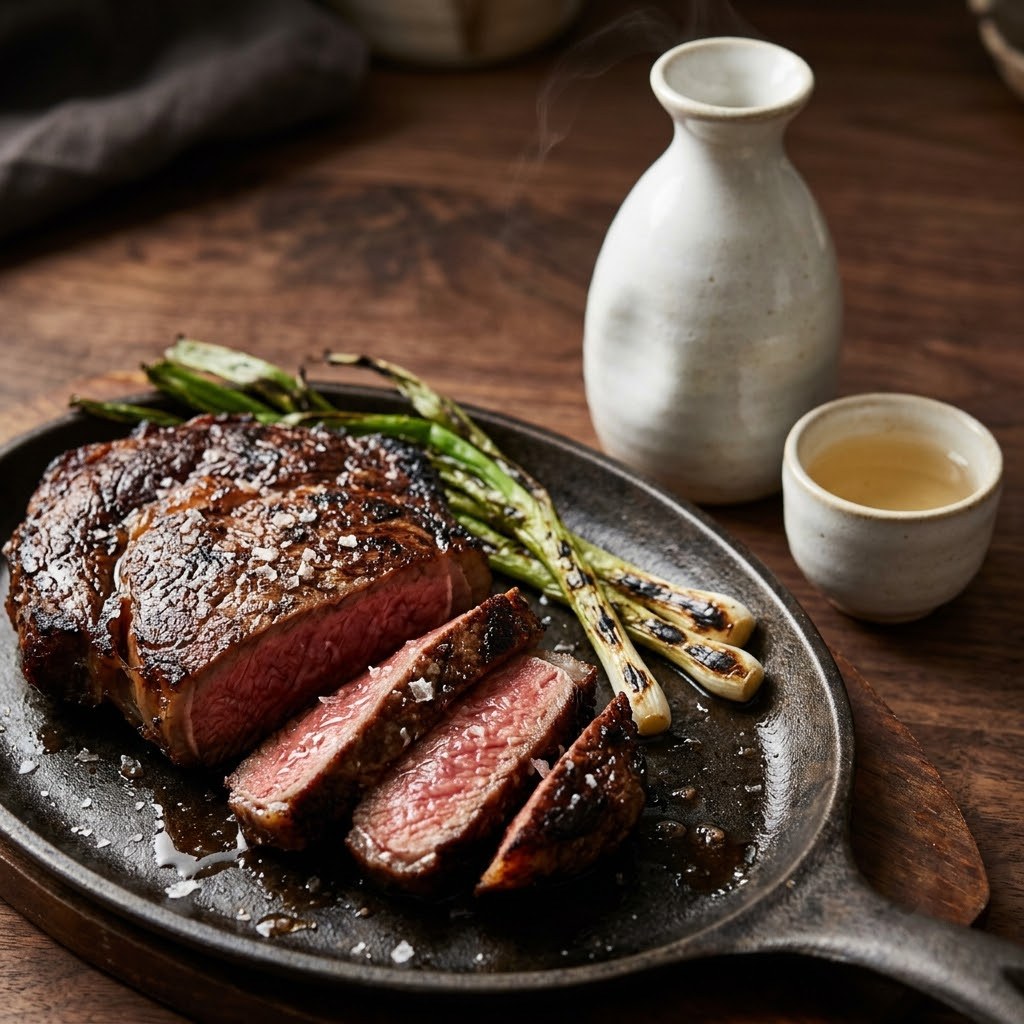
| Braised Brisket | Junmai | warm | Yamahai / Kimoto |
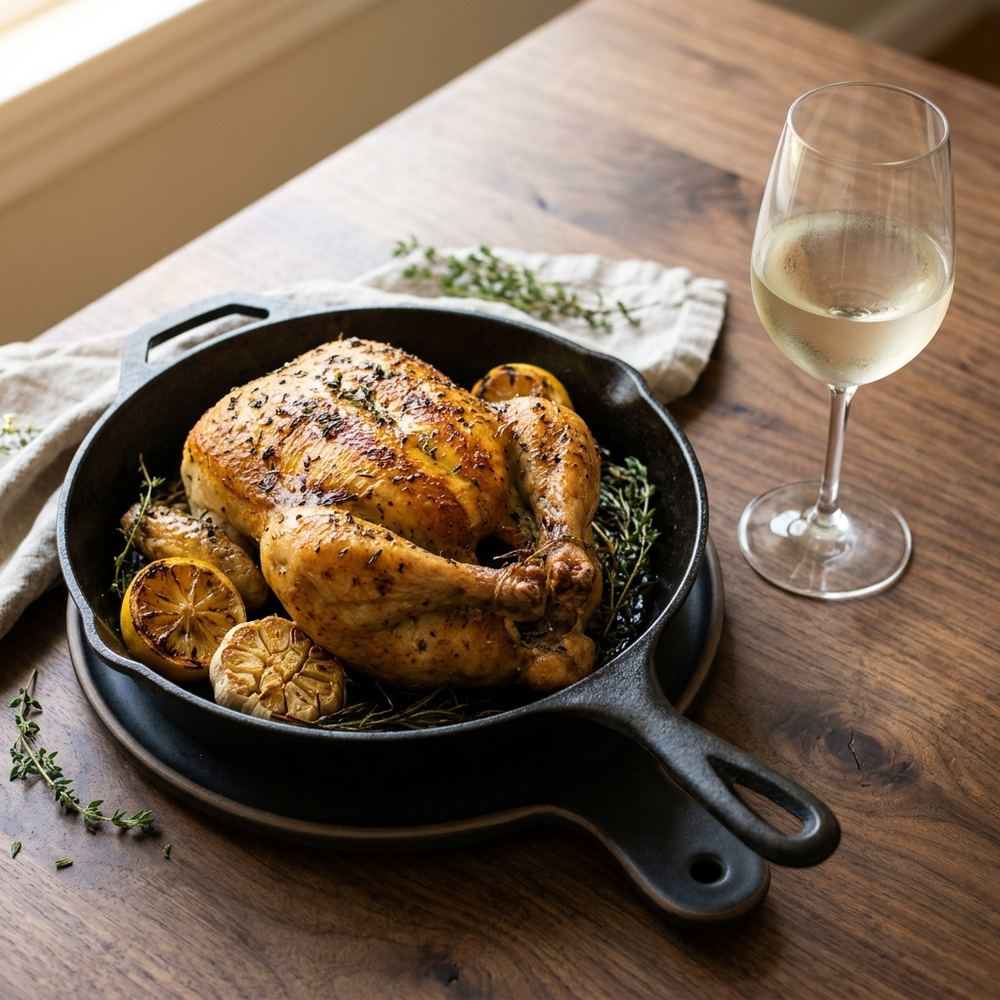
| Roast Chicken | Junmai Ginjo | lightly cool | Junmai |
Tap a dish for the full pairing: why it works, how to serve it and what else goes with it.
Good to know: Sake is brewed from rice, which many Ashkenazi Jews avoid during Passover as kitniyot, and the four cups are traditionally wine. If you keep Passover, choose a sake certified kosher for Passover and follow your own tradition.
How much to buy
- Per person: a 2–3 oz pour for each course you pair.
- Per bottle: a 720 ml bottle gives about 10 pours; a 300 ml bottle about 4.
- Warm sake: stand the flask in hot (not boiling) water for 2–3 minutes, to about 104°F.
Questions
What is the best sake for Passover seder?
Junmai. Gently warmed, it mirrors chicken broth and slow-braised beef. Each dish on this page also has its own top pick and alternative.
Should sake be warm or cold for Passover seder?
It depends on the dish. For this menu we suggest serving it warm, lightly cool; the table lists the temperature for each dish.
How much sake should I buy for Passover seder?
Plan on a 2–3 oz pour per person for each course. A 720 ml bottle gives about 10 pours, so a dinner for 8 with three courses needs about two to three bottles. The Dinner Planner works it out for your menu.
Anything to know before serving sake for Passover seder?
Sake is brewed from rice, which many Ashkenazi Jews avoid during Passover as kitniyot, and the four cups are traditionally wine. If you keep Passover, choose a sake certified kosher for Passover and follow your own tradition.