March 28, 2027 · Holiday sake guide
Sake for Easter
Easter brings ham or lamb, eggs in every form and a spring dessert. Plan on bubbles for the starters, a savory sake for the main course and a sweet one for the cake.
Our pick: Yamahai / Kimoto
Its acidity balances sweet glazed ham, and its savory depth stands up to roast lamb.
The Easter menu, paired
| Dish | Top pick | Serve | Also great |
|---|---|---|---|
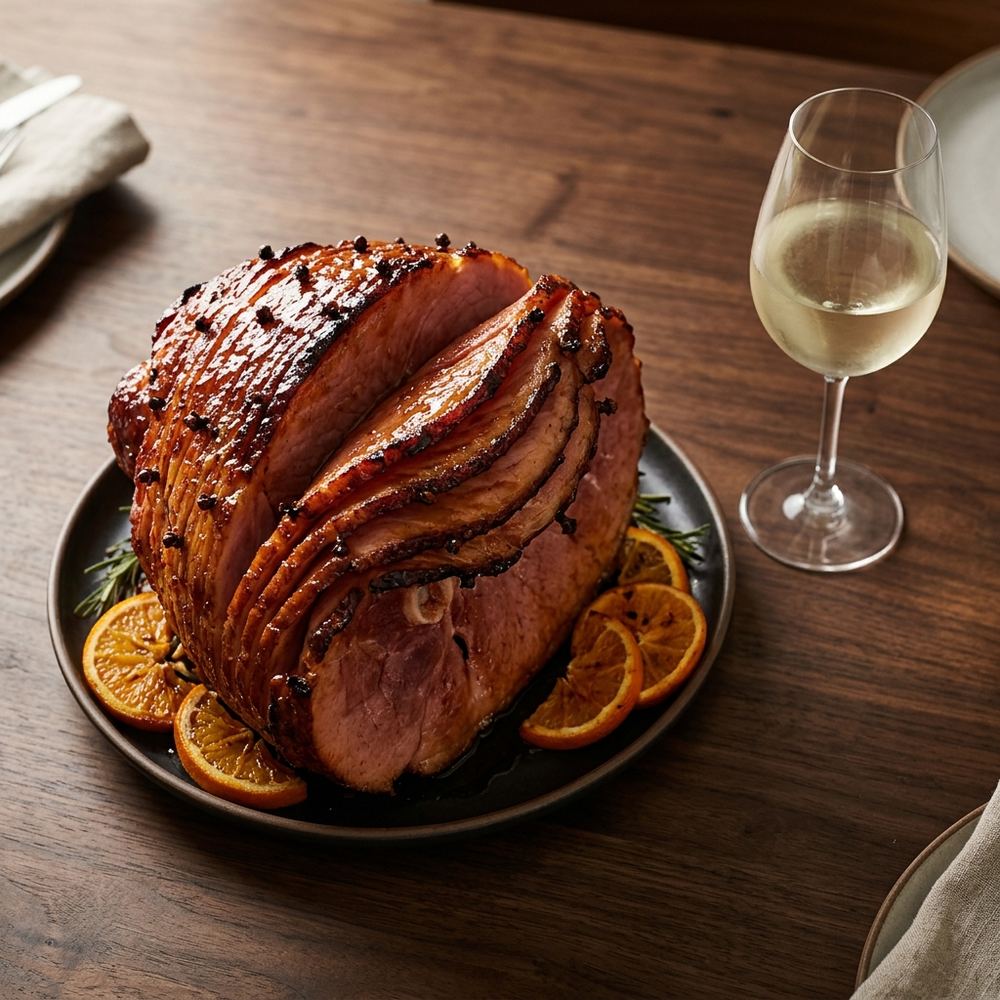
| Glazed Ham | Junmai Ginjo | chilled | Koshu (Aged Sake) |
| Roast Leg of Lamb | Yamahai / Kimoto | room temp | Koshu (Aged Sake) |
| Deviled Eggs | Sparkling Sake | chilled | Junmai Ginjo |
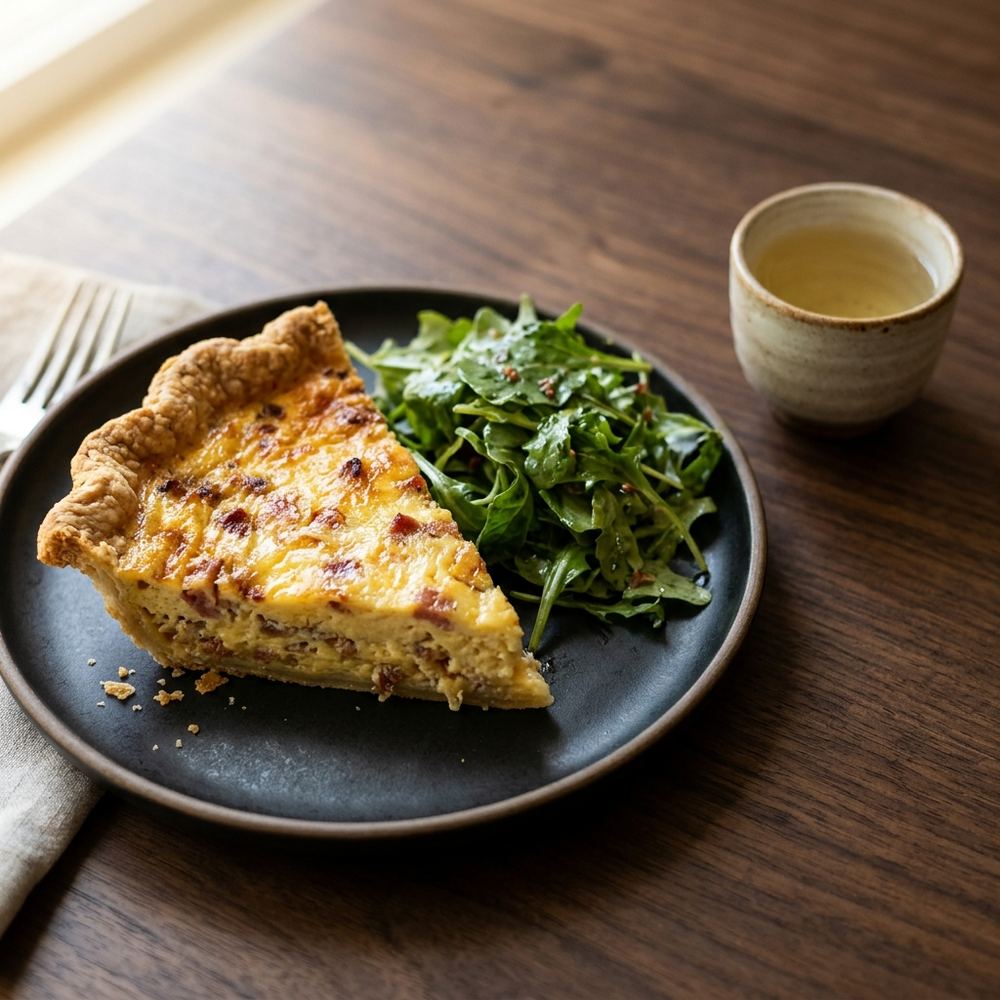
| Quiche Lorraine | Junmai | room temp | Sparkling Sake |
| Carrot Cake | Kijoshu (Dessert Sake) | lightly cool | Koshu (Aged Sake) |
Tap a dish for the full pairing: why it works, how to serve it and what else goes with it.
How much to buy
- Per person: a 2–3 oz pour for each course you pair.
- Per bottle: a 720 ml bottle gives about 10 pours; a 300 ml bottle about 4.
- Warm sake: stand the flask in hot (not boiling) water for 2–3 minutes, to about 104°F.
Questions
What is the best sake for Easter?
Yamahai / Kimoto. Its acidity balances sweet glazed ham, and its savory depth stands up to roast lamb. Each dish on this page also has its own top pick and alternative.
Should sake be warm or cold for Easter?
It depends on the dish. For this menu we suggest serving it chilled, room temp, lightly cool; the table lists the temperature for each dish.
How much sake should I buy for Easter?
Plan on a 2–3 oz pour per person for each course. A 720 ml bottle gives about 10 pours, so a dinner for 8 with three courses needs about two to three bottles. The Dinner Planner works it out for your menu.